Retirement Planning in Canada 2026: Common Mistakes to Avoid
Introduction
Retirement planning is one of the most important parts of personal finance, yet many Canadians still make costly mistakes that can significantly impact their financial future. In 2026, rising living costs and longer life expectancy make proper planning more important than ever.
Even small planning errors today can lead to financial stress during retirement later in life.
To understand the foundation of a strong retirement strategy, you can read this guide: Retirement Planning in Canada 2026.
Mistake 1: Starting Retirement Planning Too Late
One of the most common mistakes is delaying retirement planning for too long.
The later you start, the harder it becomes to build sufficient savings due to the loss of compound growth over time.
Solution: Start saving early, even if the amount is small. Consistency matters more than size in the beginning.
Mistake 2: Relying Only on Government Pensions
Many Canadians rely too heavily on CPP and OAS. While these programs provide essential support, they are often not enough to maintain a comfortable lifestyle.
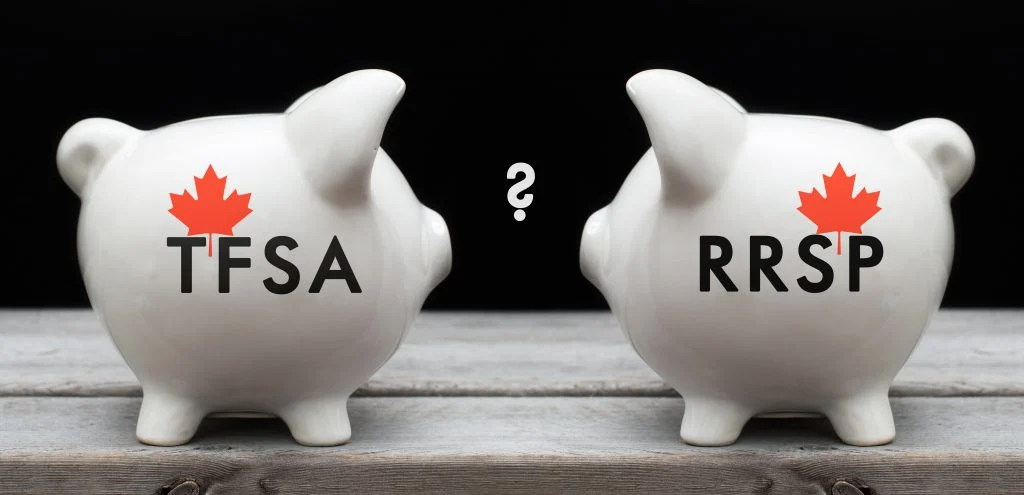
Solution: Build additional retirement income through savings and investments using RRSP and TFSA accounts.
To better understand how to balance these tools, read: RRSP vs TFSA Strategies in 2026.
Mistake 3: Not Having a Clear Retirement Goal
Without a defined goal, it becomes difficult to estimate how much money you actually need for retirement.
Solution: Set a clear retirement target based on your desired lifestyle, expected expenses, and retirement age.
Mistake 4: Withdrawing Savings Too Early
Early withdrawals from RRSP or other retirement accounts can reduce long-term growth and may result in tax penalties.
Solution: Avoid early withdrawals unless absolutely necessary and always plan for emergency funds separately.
Mistake 5: Ignoring Inflation
Inflation reduces the value of money over time, but many people fail to account for it in their retirement plans.
Solution: Invest in assets that have long-term growth potential, such as stocks, ETFs, and diversified portfolios.
Mistake 6: Not Diversifying Income Sources
Relying on a single source of income during retirement increases financial risk.
Solution: Build multiple income streams, including investments, pensions, savings, and passive income sources.
To improve long-term income planning, learn how to: maximize pension income in 2026.
Mistake 7: Poor Investment Decisions
Keeping all savings in low-interest accounts can significantly reduce retirement growth potential.
Solution: Focus on long-term investment strategies that balance risk and return, and adjust your portfolio over time.
How to Avoid These Retirement Mistakes
- Start retirement planning as early as possible
- Use RRSP and TFSA accounts effectively
- Invest consistently over time
- Review your retirement plan regularly
- Continue learning about personal finance
Conclusion
Avoiding retirement mistakes in 2026 is essential for building long-term financial security. The key is early planning, disciplined saving, and smart investing.
By avoiding these common errors, Canadians can build a more stable financial future and enjoy a comfortable retirement with less stress and greater confidence.