How Much Money Do You Need to Retire? (2026 Retirement Planning Guide)
Introduction
One of the most important financial questions in life is: how much money do you actually need to retire comfortably? The answer is not the same for everyone. It depends on your lifestyle, location, health, inflation, and how long your retirement will last.
In 2026, retirement planning has become even more important due to rising living costs and longer life expectancy. A solid plan helps you build financial independence and avoid money stress later in life.
This guide breaks down retirement savings goals, key strategies, and step-by-step planning methods to help you prepare for a secure future in Canada.
Why Retirement Planning Matters
Many people delay retirement planning, assuming they have enough time. However, starting early gives you a major advantage because of compound growth.
- Build long-term financial security
- Reduce stress about future expenses
- Maintain your lifestyle after retirement
- Prepare for healthcare and emergencies
- Gain financial independence
Without a plan, government benefits alone may not be enough to support your desired lifestyle.
The 25x Rule: Simple Retirement Formula
One of the most common methods used to estimate retirement savings is the 25x rule.
Formula: Annual expenses × 25 = Retirement savings needed
Example:
- $40,000/year → $1,000,000 needed
- $60,000/year → $1,500,000 needed
- $100,000/year → $2,500,000 needed
This is based on the assumption that you withdraw about 4% of your savings each year.
The 4% Withdrawal Rule
The 4% rule suggests that retirees can safely withdraw 4% of their savings annually without running out of money for around 25–30 years.
However, in 2026, many financial experts recommend a more conservative range of 3%–3.5% due to inflation and market uncertainty.
How Much Do You Need to Retire in Canada?
Your retirement number depends heavily on lifestyle expectations. In Canada, most retirees aim to replace about 60% to 80% of their pre-retirement income.
Basic Lifestyle
- $25,000 – $40,000/year
- Estimated savings: $600,000 – $1 million
Moderate Lifestyle
- $40,000 – $80,000/year
- Estimated savings: $1 million – $2 million
Comfortable Lifestyle
- $80,000 – $150,000+/year
- Estimated savings: $2 million – $4 million+
Step-by-Step Retirement Planning (Canada 2026)
If you want a structured approach, follow this retirement planning system used by financial planners in Canada.
Step 1: Define Your Retirement Goals
Ask yourself:
- At what age do I want to retire?
- What lifestyle do I want?
- Where will I live?
- How much monthly income do I need?
Your answers will determine your savings target.
Step 2: Estimate Your Retirement Expenses
Common retirement costs include housing, food, healthcare, transportation, and travel.
To calculate your personalized estimate, you can use this tool:
Retirement Savings Calculator 2026
Step 3: Understand Government Benefits
In Canada, retirees may receive:
- CPP (Canada Pension Plan) – Monthly retirement income based on contributions
- OAS (Old Age Security) – Government-funded pension
- GIS (Guaranteed Income Supplement) – Extra support for low-income seniors
These benefits help, but they are usually not enough alone for full retirement needs.
To improve your strategy, you can learn how to optimize benefits here:
Maximize Pension Benefits Guide 2026
Step 4: Choose the Right Savings Accounts
Canada offers tax-advantaged retirement tools that help your money grow efficiently.
Learn the difference here:
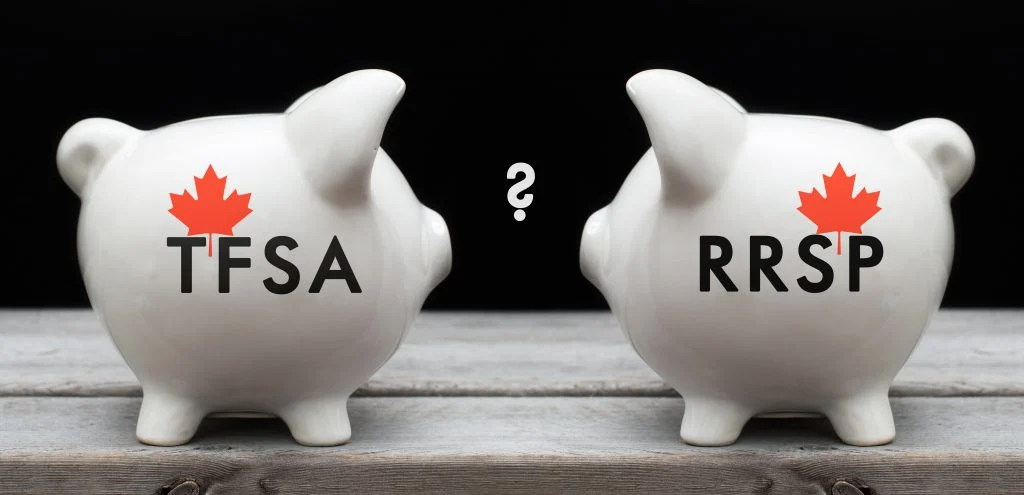
RRSP vs TFSA Strategy Guide 2026
- RRSP: Tax-deductible contributions, taxed at withdrawal
- TFSA: Tax-free growth and withdrawals
Step 5: Invest for Long-Term Growth
Saving alone is not enough. Investing helps your money grow faster than inflation.
- ETFs (Exchange-Traded Funds)
- Index funds
- Dividend stocks
- Mutual funds
Diversification helps reduce risk and improve long-term stability.
Step 6: Reduce Debt Before Retirement
Entering retirement with debt can create financial stress.
- Pay off credit cards
- Reduce loans
- Eliminate high-interest debt
Step 7: Build Multiple Income Sources
Relying only on pensions may not be enough for a comfortable retirement.
Additional income sources can include:
- Rental income
- Dividend investments
- Part-time work
- Small business income
Common Retirement Planning Mistakes
- Starting too late
- Underestimating inflation
- Relying only on government pensions
- Not investing early enough
- Ignoring healthcare costs
Final Thoughts
So, how much money do you need to retire? In most cases, the answer falls between $750,000 and $2.5 million+, depending on your lifestyle and location.
The most important factor is not just the number, but how early and consistently you start planning.
By combining smart saving, investing, and proper use of Canadian retirement tools, you can build a stable and financially independent future.