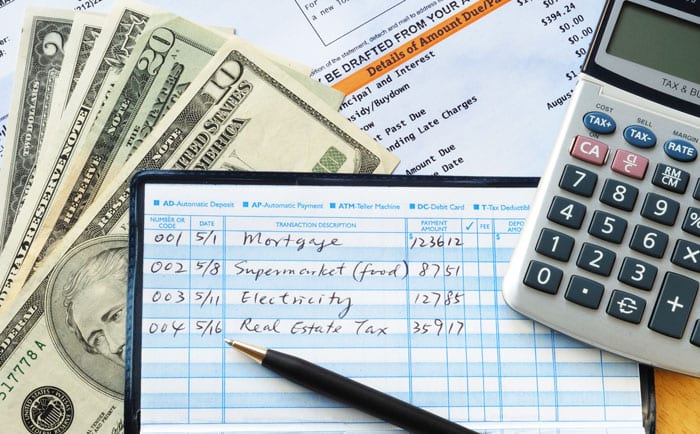
How Mortgage Renewals Can Put Pressure on a Household Budget
Imagine having a monthly budget that works perfectly, only to discover that your biggest bill is about to increase significantly. For Canadian homeowners approaching mortgage renewal, this is a financial challenge that deserves attention well before the next payment is due.
On October 27, 2026, Desjardins warned that the popularity of variable-rate mortgages during late 2021 and early 2022 could continue affecting Canada’s housing market through 2027. Some borrowers renewing their mortgages for the first time could face payment increases of about 50% during the fall and winter of 2026.
That figure does not apply to every homeowner. However, it highlights why budgeting around future housing costs, rather than relying exclusively on today’s payment, can help households prepare for financial uncertainty.
For anyone managing household finances, the underlying lesson is useful: a budget should account for expenses that may change, especially those large enough to disrupt savings, debt repayments, and everyday spending.
Why Variable-Rate Mortgages Can Make Budgeting Difficult
Variable-rate mortgages are influenced by changes in interest rates. Depending on the contract, a change in borrowing costs can affect the amount paid each month, the portion of a payment that goes toward interest, or the outstanding balance at renewal.
Desjardins reported that variable-rate mortgages briefly accounted for more than half of new mortgage originations during the surge in popularity in late 2021 and early 2022. Some borrowers subsequently made extra payments or switched to fixed-rate mortgages, while others remained exposed to changing borrowing costs.
For borrowers with variable-rate mortgages that maintain fixed scheduled payments, higher interest costs can slow principal repayment. This means a homeowner may discover at renewal that the remaining mortgage balance is higher than expected or that a larger payment is required under the new terms.
The Bank of Canada’s 2026 Financial Stability Report also warned of significant payment increases for borrowers renewing five-year fixed-rate and variable-rate mortgages through the first half of 2027, according to Desjardins.
These developments make it important to review both current expenses and future obligations. A mortgage payment that fits comfortably into a budget today may not remain affordable after a change in rates or loan terms.
Five Practical Ways to Prepare Your Budget for Higher Costs
You do not need to predict the exact direction of interest rates to prepare for a more expensive mortgage. A few practical budgeting steps can help you understand your options and identify potential problems early.
1. Calculate your essential monthly expenses. Start by listing housing payments, utilities, groceries, transportation, insurance, and minimum debt repayments. This establishes how much of your income is already committed before you consider discretionary purchases.
2. Build a higher-payment scenario. Ask your lender for estimates based on different renewal rates and your current outstanding balance. Compare those figures with your existing payment to see how much additional room your budget might need.
3. Separate essential spending from flexible spending. Identify expenses you could reduce if housing costs increase, such as restaurant meals, subscriptions, nonessential shopping, and entertainment. You do not need to eliminate every enjoyable purchase; the goal is to understand which adjustments are realistic.
4. Protect your emergency savings. Set aside money for unexpected bills and temporary income disruptions where possible. Avoid committing every available dollar to extra mortgage payments if doing so would leave you without accessible funds for emergencies.
5. Review your mortgage before renewal. Check the renewal date, outstanding balance, interest-rate terms, and any fees associated with changing the loan. Contact your lender early enough to compare available options instead of making a rushed decision when the existing term expires.
These steps are useful budgeting practices, not guarantees against higher costs. The best approach depends on each household’s income, debt obligations, savings, and mortgage agreement.
How to Adjust Your Savings Plan Without Creating More Stress
When a major expense threatens to increase, it can be tempting to stop saving altogether. A more useful first step is to examine how much money remains after essential expenses and decide what level of saving is sustainable.
Start with a simple monthly cash-flow review. Record take-home income, fixed bills, variable spending, debt repayments, and savings contributions. If your projected mortgage payment increases, update the figures and identify the shortfall before it becomes a problem.
If your budget is already tight, focus on recurring costs rather than making dramatic changes that are difficult to maintain. Reviewing utility usage, comparing routine service costs, planning grocery purchases, and reducing unused subscriptions can help free up money without requiring a complete lifestyle overhaul.
Next, consider the timing of your expenses. If your mortgage renewal is approaching, temporarily directing more available money toward a renewal reserve may help you prepare for the transition. Keep this money accessible if you expect to need it soon, rather than placing it in an arrangement that could create withdrawal restrictions or penalties.
Be cautious about using credit cards or personal loans to cover a recurring mortgage shortfall. Borrowing to pay another obligation may provide temporary relief but can add interest costs and make future budgets harder to manage.
The aim is not to save a perfect amount every month. It is to understand your financial position early enough to make deliberate decisions instead of reacting after a payment becomes difficult to afford.
Mortgage Budgeting FAQs: What Should Homeowners Know?
Does a potential 50% payment increase apply to every Canadian homeowner?
No. Desjardins identified some first-time mortgage renewers as being at risk of increases of about 50% during the fall and winter of 2026. Individual outcomes depend on mortgage terms, outstanding balances, interest rates, and previous repayment decisions.
When should I start preparing for mortgage renewal?
Start by checking your renewal date and reviewing your budget as early as practical. Contact your lender to request payment estimates and clarify your options before your existing mortgage term expires.
Should I use all my savings to reduce my mortgage balance?
Not necessarily. Extra principal payments may reduce borrowing costs, depending on your mortgage terms, but using all your accessible savings could leave you vulnerable to emergencies. Consider your overall financial obligations, available cash reserves, and any prepayment restrictions before deciding.
What if I cannot afford the projected payment?
Contact your lender before missing a payment and ask about the options available under your mortgage agreement. A qualified mortgage professional can help explain the potential costs and trade-offs of different arrangements.
Your Next Step: Review Your Numbers Today
Desjardins’ warning shows why mortgage costs deserve a place in any realistic household financial plan. The potential pressure extends into 2027, and the Bank of Canada’s assessment points to further renewal challenges during the first half of that year.
Today, take a few minutes to locate your mortgage renewal date, write down your current monthly payment, and request an estimate of what you might owe under different interest-rate scenarios. Then compare those figures with your income, essential spending, debt repayments, and emergency savings.
For Canadian homeowners, preparing ahead can make it easier to evaluate choices before renewal arrives. More broadly, the same budgeting habit applies to any major recurring expense: understand what could change, plan for a realistic range of costs, and review your numbers whenever your financial circumstances shift.