How to Budget Your Money in 2026 – Complete Guide
Learning how to budget your money effectively is one of the most important financial skills you can develop. In 2026, with rising living costs and increasing financial pressure, having a clear budget is essential for financial stability.
If you want to strengthen your overall savings strategy, you can also read:
Top Savings Strategies for Canadians in 2026
Save Money on Everyday Expenses 2026
A well-planned budget helps you control spending, reduce debt, and reach financial goals faster.
What is a Budget and Why It Matters
A budget is a plan for how you manage your income and expenses. It ensures you don’t spend more than you earn and helps you allocate money toward priorities.
Benefits of budgeting:
- Full control over finances
- Avoid unnecessary debt
- Build savings faster
- Reduce financial stress
- Achieve long-term goals
Without a budget, it becomes easy to overspend and lose track of money.
Step 1: Understand Your Income
Start by calculating your total monthly income:
- Salary (after tax)
- Freelance or side hustle income
- Passive income
Use your net income to create a realistic budget.
For additional income ideas, see:
Best Side Hustles in 2026
Step 2: Track Your Expenses
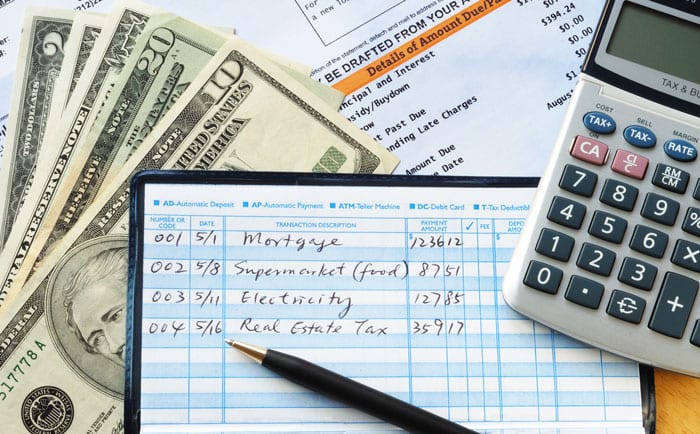
Before budgeting, understand where your money goes.
Expense categories:
- Fixed expenses: rent, utilities, insurance
- Variable expenses: food, transport, entertainment
- Occasional expenses: gifts, travel, repairs
Track expenses for at least 30 days using:
- Budgeting apps
- Spreadsheets
- Manual tracking
Step 3: Use the 50/30/20 Rule
A simple budgeting method:
- 50% Needs: rent, bills, groceries
- 30% Wants: entertainment, dining out
- 20% Savings & Debt: emergency fund, investments
This method helps maintain balance while building savings.
Step 4: Set Financial Goals
Budgeting becomes more effective when tied to goals.
Short-term goals:
- Build emergency fund
- Pay off credit card debt
Long-term goals:
- Buy a house
- Retirement savings
For emergency planning, see:
Emergency Fund Guide 2026
Step 5: Cut Unnecessary Expenses
Reducing spending creates more room for savings.
- Cancel unused subscriptions
- Cook at home more often
- Avoid impulse purchases
Small changes can lead to significant savings over time.
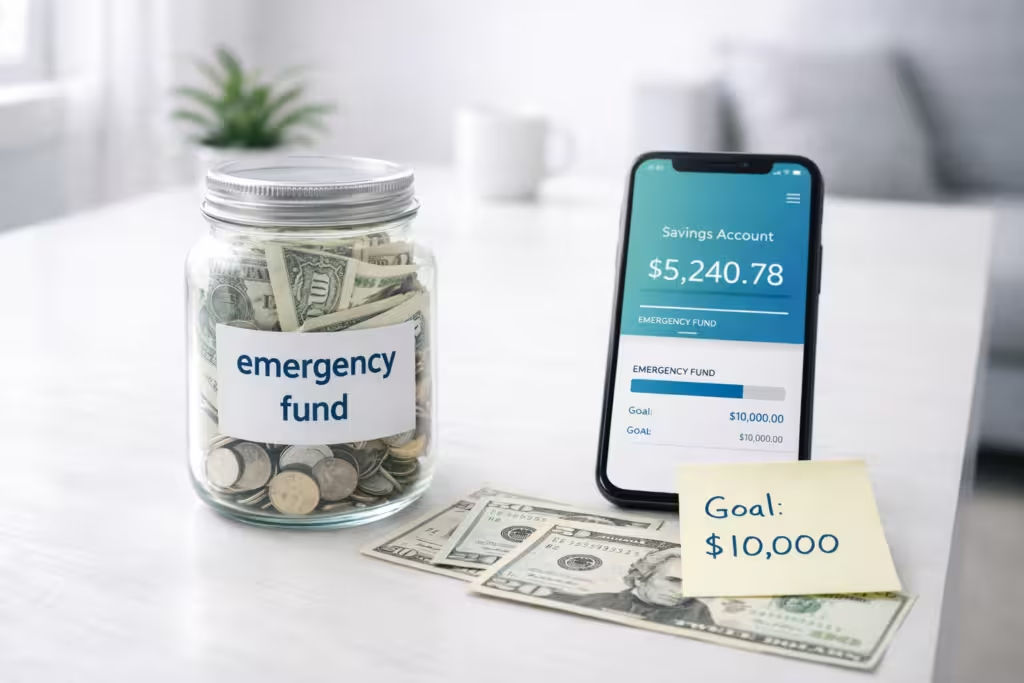
Step 6: Build an Emergency Fund
An emergency fund protects you from unexpected expenses.
Recommended amount:
3–6 months of living expenses
Start small and build gradually over time.
Step 7: Automate Your Finances
Automation makes budgeting easier and more consistent.
- Automatic savings transfers
- Scheduled bill payments
- Spending trackers
Automation reduces mistakes and builds discipline.
Best Tools to Help You Budget
Using the right tools makes budgeting easier:
- Budgeting apps
- Expense trackers
- Online banking tools
To explore more tools, see:
Best Budget Apps in Canada 2026
Common Budgeting Mistakes to Avoid
- Not tracking expenses
- Setting unrealistic goals
- Ignoring small purchases
- Giving up too quickly
Budgeting improves with consistency and practice.
Tips to Stay Consistent
- Review your budget monthly
- Adjust when income changes
- Celebrate small progress
- Stay disciplined long-term
Consistency is key to financial success.
Conclusion
Learning how to budget your money in 2026 is one of the most powerful steps toward financial freedom. By understanding your income, tracking expenses, and setting clear goals, you can take full control of your finances.
Start today—even a simple budget can lead to major improvements over time.
For more financial planning strategies, explore:
Top Savings Strategies for Canadians in 2026