Canada Inflation Trends and What They Mean for Household Budgets
When fuel prices rise, the effects can reach far beyond the gas station. Transportation becomes more expensive, businesses face higher delivery costs, and households may have less money available for groceries, bills, and savings.
That is why Canada’s latest inflation figures matter to more than economists and financial market participants. The September consumer price report and the Bank of Canada’s third-quarter Business Outlook Survey are important indicators ahead of the central bank’s next interest rate announcement on October 28, 2026.
In its October 16 report, RBC Financial Group expected Canada’s headline Consumer Price Index (CPI) to remain at 3% year over year in September for a third consecutive month. This was a forecast ahead of the data release, not a confirmed September result.
The central issue is whether elevated energy costs will remain concentrated in fuel-related expenses or begin pushing prices higher across other parts of the economy. For anyone managing a household budget, understanding that distinction can help explain why some expenses rise faster than others.
Why Energy Prices Are a Major Inflation Concern
Fuel costs can affect household finances directly and indirectly. Motorists pay more when gasoline prices climb, while businesses that rely on transportation may face higher operating expenses that can eventually influence the prices consumers pay.
RBC expected energy inflation to accelerate in September as gasoline and furnace oil prices increased significantly from August. At the same time, food inflation was expected to continue moderating, illustrating how different spending categories can follow different price trends.
The report also forecast that core inflation, which excludes food and energy, would ease to 1.8% in September from 2.1% in August. This measure helps analysts assess underlying price pressures without the direct effects of two particularly volatile categories.
However, lower core inflation would not necessarily mean that every household expense was becoming cheaper. Inflation measures the pace at which prices change; a slowdown in inflation can mean prices are increasing more slowly rather than returning to previous levels.
RBC’s inflation diffusion measure offered another perspective. In August, 35% of the consumer basket experienced annual price increases above 3%, compared with 54% a year earlier. That narrower share suggested that elevated price growth had not spread as broadly across consumer goods and services at that point.
For families, the practical lesson is to look beyond the overall inflation rate. Tracking actual spending on food, transportation, utilities, and housing can reveal where rising costs are putting the greatest pressure on available income.
How the Bank of Canada’s Interest Rate Decision Matters
The Bank of Canada considers inflation alongside economic growth, employment conditions, and other indicators when setting monetary policy. Its interest rate decisions can influence borrowing costs throughout the economy, although changes do not affect every loan or financial product in the same way.
The central bank’s next scheduled decision was October 28, 2026. The September inflation report and third-quarter business survey were expected to provide important evidence as policymakers weighed persistent price pressures against signs of economic weakness.
According to RBC, Canada’s economic recovery remained uneven. Growth was expected to slow in the second half of 2026 after stronger performance in the second quarter, while employment declined in both August and September.
The unemployment rate had remained around 6.5% over the previous three months, following a decline during the preceding year. These conditions created a difficult balance: policymakers needed to contain inflation without adding unnecessary pressure to an economy that was already showing signs of softness.
RBC therefore expected the Bank of Canada to keep its policy rate unchanged through the remainder of 2026, although the report emphasized that inflation and growth risks made the decision challenging. This was the firm’s outlook, not a confirmed central bank decision.
For borrowers, an important takeaway is that interest rates can move in response to new economic information. Anyone considering a major purchase or managing debt should understand their current borrowing terms rather than assuming that rates will automatically fall or rise at the next announcement.
What Business Confidence Can Reveal About Future Prices
Consumer inflation figures show how prices have changed, while business surveys help indicate what companies expect to happen next. The Bank of Canada’s third-quarter Business Outlook Survey was scheduled to provide insight into firms’ sales expectations, hiring plans, investment intentions, and anticipated price changes.
The survey period ran from early to mid-August, when oil prices were rising and trade uncertainty was intensifying. The report also identified renewed trade tensions associated with new U.S. Section 338 measures imposed on August 22 as a source of uncertainty for businesses.
RBC expected these developments to weigh further on business outlooks. It also anticipated an increase in companies’ short-term inflation expectations, while medium- and longer-term expectations were expected to remain relatively anchored near the Bank of Canada’s 2% inflation target.
Businesses’ pricing decisions matter because higher operating costs do not always translate immediately into higher retail prices. Some companies absorb additional expenses to remain competitive, while others may pass a portion of those costs to customers if the increases persist.
RBC’s analysis indicated that broader consumer inflation remained a risk if energy prices stayed elevated. Transportation categories, particularly airfares, were among the areas analysts planned to monitor for evidence that fuel-related pressures were spreading beyond energy itself.
For households, this reinforces the value of preparing for changes instead of relying on a single forecast. Reviewing recurring expenses and maintaining some flexibility in discretionary spending can help families respond if essential costs increase.
Budgeting Lessons for Filipino Households Watching Global Inflation
Although the economic developments concern Canada, the underlying budgeting principles also apply to households in the Philippines. Fuel, food, transportation, and borrowing costs can influence how much money remains available for savings and other financial goals.
Track essential expenses separately
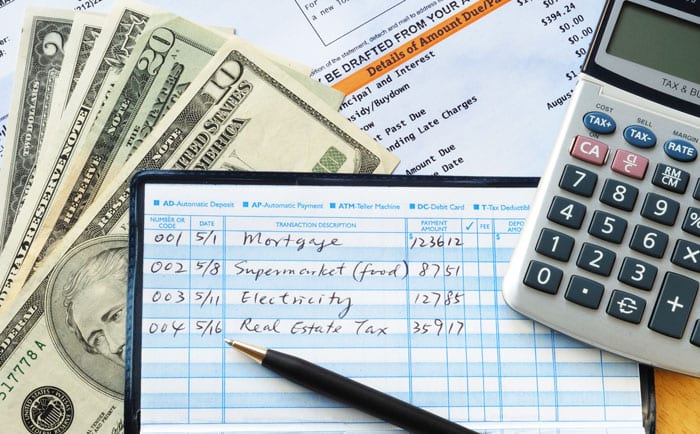
Start by dividing spending into essential and discretionary categories. Record groceries, electricity, transportation, housing, and debt payments separately from dining out, entertainment, and nonessential purchases.
Compare actual expenses with your planned budget each month. If transportation or grocery costs rise, identify whether the increase is temporary or recurring before adjusting other spending categories.
Build a flexible savings plan
A practical approach is to use zero-based budgeting, assigning expected income to bills, savings, debt repayments, and everyday expenses. This method helps show where money is going and which categories can be adjusted when costs change.
Even if you cannot increase savings immediately, reviewing your expenses can help identify small, manageable adjustments. The goal is to make your financial plan reflect actual spending rather than relying on optimistic estimates.
Review borrowing commitments before taking on new debt
Before financing a vehicle, home improvement, or other major purchase, review the interest rate, repayment schedule, fees, and total amount payable. For variable-rate borrowing, check how the monthly payment or repayment period could change if rates increase.
Do not base a financial commitment solely on expectations that central banks will cut rates soon. Economic forecasts can change when new inflation, employment, or business data become available.
Frequently Asked Questions About Inflation and Interest Rates
Does lower inflation mean groceries and fuel will become cheaper?
Not necessarily. Lower inflation generally means prices are rising more slowly. Prices may remain elevated even when the inflation rate declines, so households should continue tracking actual expenses.
Will the Bank of Canada definitely change interest rates on October 28, 2026?
No outcome should be treated as certain before the announcement. RBC expected policymakers to maintain their existing policy stance through the remainder of 2026, but the September inflation report and business survey could influence expectations ahead of the decision.
How can Philippine households prepare for rising living costs?
Review recurring expenses, distinguish essential purchases from optional spending, and set aside savings when income permits. Households with debt should also understand their repayment terms and avoid relying on uncertain future interest rate changes.
The next practical step is to review your most recent month’s spending and identify which essential categories have increased. Track those expenses over the coming weeks, check your debt commitments, and adjust your budget using verified income and realistic costs rather than assumptions about what prices or interest rates might do next.