
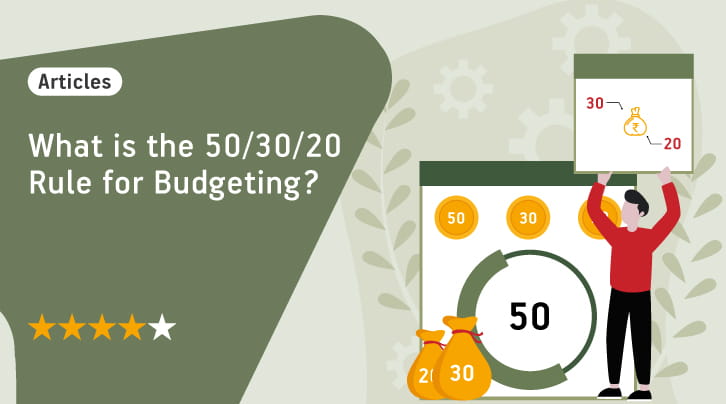
Master Your Money: A Beginner’s Guide to the 50/30/20 Budget Rule
Let’s be honest: budgeting can feel like a punishment. Spreadsheets, tracking every coffee, and restricting your life until payday? No thanks. But what if there was a budgeting method so simple it felt almost… easy? Enter the 50/30/20 rule.
If you’ve seen this term floating around on social media or in financial news, you’re not alone. It’s become the gold standard for personal finance beginners and seasoned savers alike. But what exactly is it, and more importantly, can it work for you?
Let’s break it down.
What is the 50/30/20 Rule?
At its core, the 50/30/20 rule is a straightforward framework for managing your after-tax income. It was popularized by Senator Elizabeth Warren in her book All Your Worth: The Ultimate Lifetime Money Plan. The premise is deceptively simple: split your money into three broad categories.
- Needs (50%) – Half of your income goes to the absolute essentials. These are the bills you must pay to survive and keep a roof over your head.
- Wants (30%) – The fun stuff. This category covers everything that makes life enjoyable but isn’t strictly necessary.
- Savings/Debt (20%) – The future you. This chunk is dedicated to building wealth, paying off high-interest debt, and creating a safety net.
Why This Rule Stands Above the Rest
The beauty of this method lies in its simplicity and psychology. Traditional budgets often fail because they require constant micromanagement. You end up feeling deprived, which leads to binge spending and total abandonment of your financial plan. The 50/30/20 rule eliminates that cycle.
Think of it as financial guardrails rather than a cage. You don’t need to track every single dollar with obsessive precision. Instead, you focus on three large buckets, which makes it far easier to stick with over the long term. And let’s be clear: consistency matters far more than perfection when building wealth.
Breaking Down the Three Buckets
Let’s dive deeper into each category so you can apply them to your own life without confusion.
The 50%: Needs
Your “needs” are non-negotiable. If you didn’t pay these, your life would be significantly impacted. This includes:
Rent or mortgage payments
Groceries (not takeout)
Minimum loan payments (student loans, car payments)
Utilities (electricity, water, gas)
Insurance (health, car, renters)
Basic transportation (gas, bus pass)
The Trap: Don’t inflate this category. A “need” is a reliable used car to get to work, not a luxury SUV lease. A “need” is a modest apartment that keeps you safe, not a penthouse with a pool. If your needs exceed 50% of your income, you have two choices: cut expenses (downsize your apartment) or increase your income (side hustle).
The 30%: Wants
This is the category most people feel guilty about—but you shouldn’t. This is your “lifestyle” fund. It is what makes working for a paycheck worth it. Wants include:
Dining out, takeout, and coffee shop runs
Streaming services (Netflix, Spotify, Hulu)
Vacation travel
Hobbies (gaming, knitting, golf)
Gym memberships (unless required for a medical condition)
Designer clothes or luxury items
The Golden Rule: Zero guilt. As long as you stay within the 30% line, you can spend this money on anything you want. This helps prevent “budget burnout” where you quit because you feel deprived. Financial experts call this “permission-based spending.” You give yourself permission to enjoy your hard-earned money, which actually makes you more likely to save in the other categories.
The 20%: Savings & Debt
This bucket builds your future. It covers:
Emergency fund (3-6 months of expenses)
Retirement accounts (401k, IRA)
Investments (stocks, real estate)
Extra debt payments (paying more than the minimum on credit cards or loans)
Sinking funds (saving for a new car or a house down payment)
Pro Tip: If you have high-interest debt (credit cards), that 20% should almost entirely go toward killing that debt before you invest heavily. The math is simple: paying off a credit card charging 22% interest is equivalent to earning a guaranteed 22% return on your money. No stock market investment can promise that.
A Practical Example
Let’s bring this to life with numbers. Suppose you take home $4,000 per month after taxes. Here’s how the 50/30/20 rule would break down:
- $2,000 (50%) goes to rent, groceries, car payment, and insurance.
- $1,200 (30%) goes to eating out, concerts, shopping, and Netflix.
- $800 (20%) goes directly into your savings account and extra credit card payments.
Notice something important? You don’t have to justify that $1,200 in wants. It’s built into the system. You can enjoy your life today while still preparing for tomorrow.
How to Implement This Today
You don’t need fancy software or a degree in accounting. Here’s a three-step plan to start using the 50/30/20 rule by your next paycheck.
Step 1: Calculate Your After-Tax Income
This is the money that actually hits your bank account. If you’re a salaried employee, check your pay stub. If you’re self-employed, use your net income after taxes and business expenses.
Step 2: Audit Your Current Spending
Pull your bank and credit card statements from the last three months. Categorize every expense into needs, wants, or savings. You’ll likely be shocked at how much of your “needs” are actually wants.
Step 3: Automate the 20%
The single most powerful move you can make is to automate your savings and debt payments. Set up an automatic transfer of 20% of your paycheck to a separate savings account or directly to your debt payments. Out of sight, out of mind. You can’t spend money you never see.
Common Mistakes to Avoid
Even the best systems fail if you fall into these traps.
- Mistaking wants for needs: Your internet bill is a need if you work from home. Premium cable with movie channels is a want. Be honest with yourself.
- Ignoring irregular expenses: Car repairs, medical bills, and holiday gifts don’t happen monthly. Build a sinking fund within your 20% category to handle these surprises.
- Being too rigid: If your city has high rent, your needs might hit 60%. That’s okay temporarily. Adjust your wants to 20% and savings to 20% until you can increase your income or lower your housing costs. The rule is a guide, not a prison.
Is the 50/30/20 Rule Right for You?
The 50/30/20 rule is a fantastic starting point, especially if you are new to budgeting. However, it’s not a one-size-fits-all solution. If you live in an expensive city like New York or San Francisco, your needs might consume 60-70% of your income. In that case, you might need a modified version like the 60/20/20 rule or the 70/20/10 rule.
High-income earners may find they can save far more than 20%. If you’re in that boat, consider pushing your savings to 30% or 40% while keeping your lifestyle inflation in check.
People with significant debt should prioritize the 20% for debt elimination. Once the debt is gone, that 20% can shift entirely to wealth-building.
The Bottom Line
The 50/30/20 rule works because it balances discipline with freedom. It forces you to cover your essentials, allows you to enjoy your present, and automatically invests in your future. No complicated spreadsheets. No guilt over a dinner out. Just a clear, sustainable path to financial stability.
Start today. Look at your last paycheck. Calculate your three buckets. Make one change this week—whether it’s automating your savings or cutting one unnecessary subscription. Small steps compound into massive results over time. Your future self will thank you.