Emergency Fund Guide 2026 – How to Build Financial Security
Financial emergencies can happen at any time—job loss, medical expenses, car repairs, or unexpected bills. Without a safety net, these situations can quickly lead to stress and debt. That’s why building an emergency fund is one of the most important steps in personal finance.
If you want to strengthen your overall money management system, you can also read:
How to Budget Money in 2026
Save Money on Everyday Expenses 2026
This guide will show you how to build an emergency fund in 2026, even if you’re starting from zero.
What is an Emergency Fund?
An emergency fund is money set aside specifically for unexpected expenses. It is not meant for regular spending or planned purchases.
Examples of emergencies:
- Medical bills
- Job loss
- Urgent home or car repairs
- Unexpected travel
Without it, many people are forced to rely on credit cards or loans, which can lead to debt.
For debt management strategies, see:
Debt Consolidation Guide 2026
Why an Emergency Fund is Important
An emergency fund acts as your financial safety net.
Key benefits:
- Reduces financial stress
- Prevents debt accumulation
- Provides financial independence
- Helps protect long-term financial goals
How Much Should You Save?
A common recommendation is:
- 3–6 months of living expenses
But if you’re just starting:
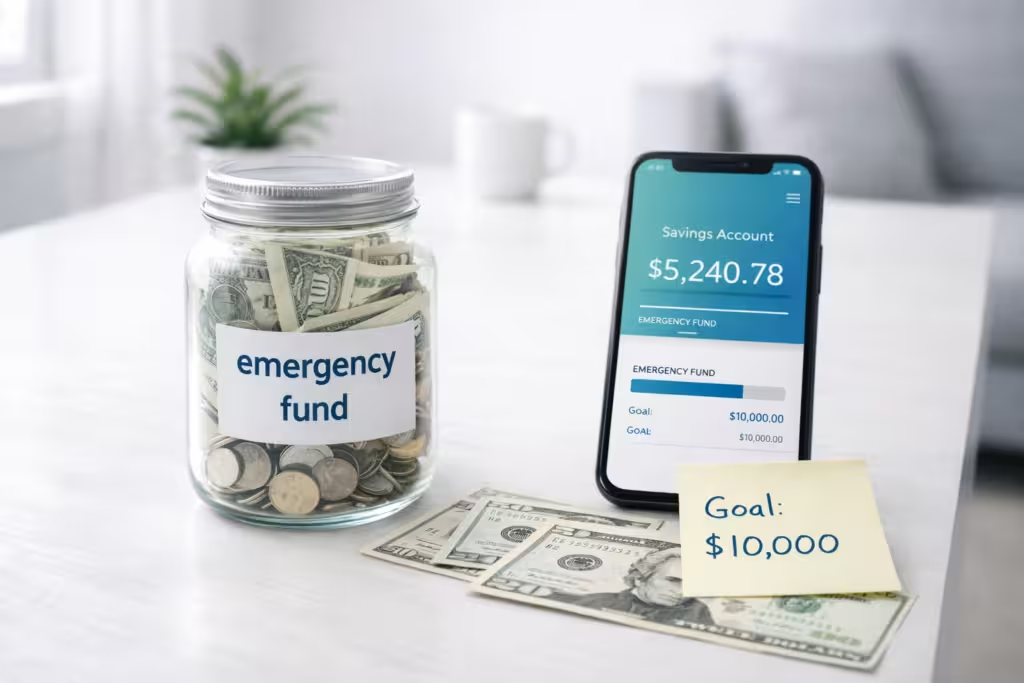
- First goal: $500
- Second goal: $1,000
- Long-term goal: 3–6 months of expenses
Start small and build gradually.
Step-by-Step Guide to Building an Emergency Fund
Step 1: Set a Realistic Goal
Avoid overwhelming yourself.
- Start with $500
- Then $1,000
- Then expand to full coverage
Small goals build momentum.
Step 2: Create a Budget
A budget helps you find extra money to save.
- Track income and expenses
- Identify unnecessary spending
- Allocate savings consistently
For budgeting help, see:
How to Budget Money in 2026
Step 3: Open a Separate Savings Account
Keep your emergency fund separate from daily spending money.
Benefits:
- Avoids unnecessary spending
- Improves tracking
- Builds discipline
A high-interest savings account is ideal.
Step 4: Automate Your Savings
Automation makes saving consistent.
- Set automatic transfers
- Treat savings like a fixed bill
- Save weekly or monthly
Step 5: Cut Unnecessary Expenses
Redirect savings from reduced spending:
- Cancel unused subscriptions
- Cook at home more often
- Avoid impulse purchases
Even small cuts add up over time.
Step 6: Use Extra Income Wisely
Boost your fund faster using:
- Bonuses
- Tax refunds
- Side hustle income
Instead of spending extra money, prioritize savings growth.
Where to Keep Your Emergency Fund
Your emergency fund should be:
- Safe
- Accessible
- Low risk
Best options:
- High-interest savings accounts
- Money market accounts
Avoid investing emergency funds in stocks or risky assets.
When to Use Your Emergency Fund
Only use it for real emergencies.
Ask:
- Is it unexpected?
- Is it necessary?
- Do I have other options?
If yes, it may qualify as an emergency.
Common Mistakes to Avoid
- Not starting at all
- Using funds for non-emergencies
- Saving too aggressively too fast
- Keeping money hard to access
Consistency matters more than speed.
Tips for Staying Consistent
- Track your progress
- Celebrate milestones
- Stay focused on your goal
- Adjust when needed
Conclusion
Building an emergency fund in 2026 is one of the smartest financial decisions you can make. It protects you from unexpected situations and helps you avoid debt.
Start small, stay consistent, and gradually grow your savings over time.
For more financial planning strategies, explore:
How to Budget Money in 2026