Canada and EU economies: What Canadians can learn
Discover how Canada’s economy compares to the EU and what financial lessons apply to your budget today.
Canada EU economy comparison
Understanding the Canada EU economy comparison
When two major economic powers strengthen their trade relationships, it affects more than just corporate boardrooms. It ripples through consumer prices, job markets, and household budgets across entire nations. Canada’s growing economic ties with the European Union represent a shift in how North American households might see everything from grocery bills to employment opportunities.
Think about the last time you noticed a price change at the supermarket or wondered why certain imported goods cost what they do. These fluctuations often trace back to international trade agreements and economic partnerships. Understanding how larger economic blocs like the EU structure themselves can actually help you make smarter personal financial decisions.
How economic scale shapes your household budget
The European Union operates as an integrated economic bloc with over 440 million people. Canada, by comparison, has roughly 40 million residents. This massive difference in scale affects everything from negotiating power in global markets to the pricing of goods that eventually reach store shelves.
When economies of this size interact, they create opportunities for trade that can lower certain costs for consumers. However, they also introduce variables you should monitor in your own budget. If you regularly purchase European products or have investments tied to international markets, these economic relationships directly impact your finances.
Here’s what matters for your wallet: larger economic partnerships often lead to more stable pricing for imported goods over time. Instead of sudden price spikes, you might see gradual adjustments. This makes it easier to plan your monthly budget when you know international trade relationships are predictable and stable.
Learning budgeting lessons from diverse economies
The EU consists of 27 member states, each with different income levels, living costs, and financial priorities. This diversity means the EU as a whole has developed robust systems for managing fiscal responsibility across vastly different economic situations. While the Philippines operates quite differently, there are universal budgeting principles worth borrowing.
One key principle: when economies of different sizes work together, transparency becomes essential. Members track spending, monitor deficits, and maintain fiscal discipline. You can apply this same thinking to your household finances.
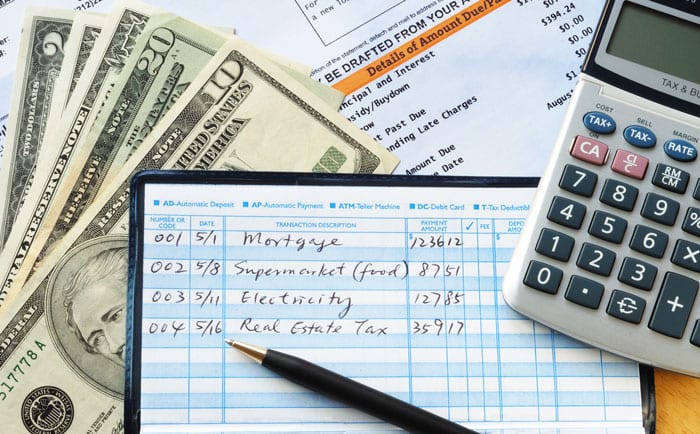
Start by creating a clear picture of your income and expenses, similar to how countries track their fiscal positions. Many Filipinos find it helpful to categorize spending into essentials (housing, food, utilities), discretionary spending (dining out, entertainment), and savings goals. The EU’s approach emphasizes that sustainable finances require knowing exactly where money flows.
Trade relationships and cost of living
Canada’s strengthening ties with the EU affect the cost of living through multiple channels. Trade agreements can reduce tariffs on imported goods, potentially lowering prices for consumers. They can also create new job opportunities in export-focused industries, which affects employment prospects and wage growth across different sectors.
For your personal budget, this means paying attention to which industries are growing in your region. If international trade is boosting certain sectors, job security and wage prospects in those fields may improve. Conversely, if your industry faces competition from EU exports, understanding this economic trend helps you plan career development and skill-building investments.
When international trade improves, consumer goods often become more competitively priced. However, this benefit only reaches your household if you actively compare prices and shop strategically. Rather than assuming imported goods are automatically cheaper, track prices over time and buy when values are genuinely better.
Building financial resilience through economic awareness
Major economies like the EU build resilience by diversifying their trading partners and economic relationships. Canada’s engagement with the EU represents exactly this kind of strategic diversification. While government-level strategy differs vastly from personal finance, the principle of diversification applies directly to your household budget.
Consider your own income sources. If you rely entirely on one employer or one industry, economic shifts in that sector create vulnerability. People with diverse income streams—whether through side work, investments, or multiple family earners—weather economic changes more comfortably. This is the household equivalent of what large economies do through trade partnerships.
Similarly, diversify how you save and invest. Rather than keeping all money in one type of account or investment, spread your resources across different vehicles. A high-yield savings account for emergency funds, investment accounts for longer-term growth, and perhaps insurance products for protection create a more resilient financial structure.
Practical steps to strengthen your financial position today
Understanding international economic relationships might seem abstract, but it translates into concrete actions for your finances. Start by examining your own economic “partnerships”—where does your income come from, and how stable are those sources?
Next, review what you spend on imported goods. Look at your regular purchases over the past three months. Which items are imported from Canada, the EU, or other countries? As trade relationships shift, these categories may see price changes. By knowing what you buy and from where, you can anticipate budget adjustments.
Finally, assess your financial diversification. Write down your income sources, your savings accounts, and your investments. If everything is concentrated in one area, that’s your signal to explore building more resilience into your financial structure.
Common questions about international economics and personal finance
Does a trade agreement between Canada and the EU directly affect my household budget?
Indirectly, yes. Trade agreements can influence the prices of imported goods you purchase, affect job markets in your industry, and shape long-term economic stability. However, the impact varies depending on what you buy and where you work. Monitoring price trends on items you regularly purchase helps you see the real effect on your budget.
Should I change my investment strategy based on international trade news?
Major economic shifts deserve attention, but they shouldn’t trigger panic-based decisions. If you have investments in companies affected by international trade, understanding the relationship between trade agreements and those companies makes sense. Review your investments annually or when significant trade agreements are finalized, but avoid making emotional decisions based on short-term news cycles.
How can I prepare my budget for potential economic changes from trade relationships?
Build an emergency fund covering three to six months of essential expenses. This buffer protects you if economic changes affect your employment or increase your cost of living. Additionally, maintain flexibility in your discretionary spending so you can adjust if prices rise. Track your three largest monthly expenses and watch for trends—this early warning system helps you adapt before economic changes force difficult decisions.
Look at your spending patterns from the past quarter. Identify which expenses are essential and which could be reduced if needed. That clarity transforms abstract economic news into actionable personal finance decisions. Review this exercise quarterly, especially during periods when major trade relationships are being renegotiated or finalized.