# How Rising Energy Costs Affect Your Monthly Budget
Understanding Canada’s inflation challenge and why it matters to your wallet
If you’ve noticed your gas pump receipts looking uglier lately, you’re not imagining it. Canada’s headline inflation has been hovering around three percent in recent months, driven largely by gasoline prices that keep climbing. For households already stretched thin by housing costs and everyday expenses, this energy shock hits harder than most economic statistics suggest.
What makes this inflationary moment different is where the pressure is concentrated. It’s not broad-based price increases across everything—it’s energy. Understanding this distinction is the first step toward protecting your budget from further erosion.
Why energy inflation spreads beyond the pump
Gasoline prices are a major contributor to elevated headline inflation right now. But here’s the critical part: when fuel stays expensive for long enough, the ripple effects touch nearly everything you buy. Transportation, logistics, and production all depend on energy costs, and those expenses eventually flow into the prices you pay for groceries, goods, and services.
Think about your weekly grocery bill. That milk, bread, and produce traveled by truck to reach your store. Higher fuel costs mean higher delivery costs, and those get passed along to you at checkout. The longer energy prices remain elevated, the greater the risk that what starts as a concentrated energy shock becomes a broader inflation problem across your entire budget.
Energy and tariff pressures: what’s coming next
Beyond rising fuel prices, trade policy adds another layer of uncertainty. Tariffs and trade restrictions can increase the cost of imported goods and the materials businesses need to make products domestically. Companies might absorb some of those costs initially, but sustained pressure usually leads to higher consumer prices eventually.
This matters for your budget because it’s not just about gas anymore. Clothing, electronics, household items—anything with imported components or materials could see price increases if tariffs persist. The challenge for households is that you can’t always predict which price increases are coming or how significant they’ll be.
Practical budgeting strategies when inflation focuses on energy
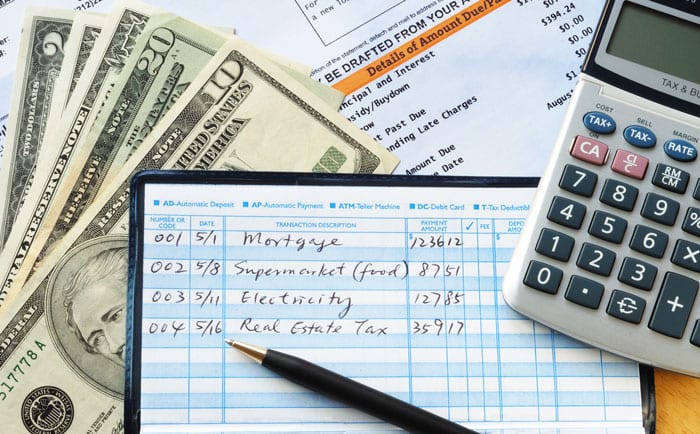
Track your energy spending separately. Start by knowing exactly how much you’re spending on gasoline and heating/cooling each month. Create a specific budget category for energy costs and monitor it weekly. This transparency helps you spot trends and adjust other spending when energy costs spike.
Build an inflation buffer into your groceries budget. Since food prices respond to fuel costs, allocate 10–15% extra in your grocery budget as a cushion. Rather than being caught off-guard by higher prices at checkout, you’ll have breathing room to absorb those increases without cutting other essential expenses.
Review your transportation costs. If gasoline is your biggest inflation headwind, examine whether you can reduce driving frequency, carpool, use public transit for some trips, or combine errands into fewer journeys. Even a 10–20% reduction in fuel consumption protects your budget from further energy shocks.
Lock in fixed costs where possible. If your utility provider offers budget billing or fixed-rate plans, these can help you smooth out energy costs across the year. Rather than facing massive winter heating bills, you’d pay a consistent amount monthly and avoid surprises.
Watch these budget categories most closely
Measures excluding gasoline and core inflation indicators have remained closer to levels consistent with price stability. That’s the good news—most everyday goods and services aren’t seeing runaway price increases yet. But it also means you have time to act before inflation spreads.
Focus your attention on categories most vulnerable to energy pass-through: groceries, delivery services, restaurant dining, and transportation. These are areas where fuel costs directly feed into what you pay. Other categories—like shelter costs or many services—are less exposed to energy shocks in the short term.
Food and groceries. Monitor prices on staples you buy regularly. If prices jump 5–10%, consider switching to store brands, buying in bulk when it makes sense, or reducing meat consumption temporarily. Small shifts in your shopping habits can offset inflation without feeling like deprivation.
Commuting and travel. This is where energy inflation hits hardest. If you commute to work, the cost per trip rises with every fuel price increase. Calculate your monthly commuting expense and ask whether flexible work arrangements, carpooling, or transit passes could reduce that burden.
Delivery and services. Food delivery, courier services, and trades people all depend on fuel. If you regularly use these services, scaling back during periods of high energy costs is one of the fastest ways to create budget relief.
Building resilience into your financial plan
The inflation outlook remains mixed and data-dependent. That uncertainty is actually useful information for your budgeting. Rather than hoping prices stabilize, build your budget with the assumption that energy costs will remain elevated. This way, if prices do fall, you’ll have extra breathing room. If they don’t, you’ve already adjusted.
Create an emergency energy fund—a small savings pot specifically for months when heating bills spike or fuel prices jump unexpectedly. Even ₱500–₱1,000 per month set aside gives you options when inflation hits harder than expected, rather than forcing you to cut corners on essentials or go into debt.
Review your discretionary spending ruthlessly. Entertainment, dining out, subscriptions, and non-essential shopping are where most households find slack during inflation. If your energy and grocery budgets are locked in, these categories become your adjustment levers. Cutting one streaming subscription or eating out one fewer time per month can offset a month’s worth of fuel inflation.
Common questions about energy inflation and your budget
How long will energy prices stay elevated? The source indicates that persistence depends on whether energy shocks last long enough to become embedded in broader price expectations. Monitor fuel prices monthly and adjust your budget assumptions if they trend upward for more than two consecutive months. A temporary spike is different from a sustained trend.
Should I change my budget category structure now? Yes. If you’re currently lumping energy, groceries, and transportation together, split them. Tracking energy separately helps you see exactly how much this inflation is costing you and whether your strategies are actually working.
What if tariffs make imports more expensive? The broader risk is that tariffs could increase prices on goods beyond just energy. Watch for price increases on items you buy regularly, especially electronics and clothing. If those start rising, shift your spending toward locally made alternatives or delay purchases until prices stabilize.
Your next budget move
Start this week: pull your last three months of bank and credit card statements and calculate your actual spending on gasoline, utilities, and groceries. Compare those amounts to what you budgeted. If actual spending exceeds your budget by more than 5%, you’ve found the inflation pressure point. That’s where your adjustment needs to happen.